
Loading cart...

Anal glands… not the most pleasant subject but an important one nonetheless! These small but significant structures can be a source of irritation for many dogs. You may be familiar with the fact that your pet has anal glands, but do you know how often they should be expressed? Well, the short answer is - it varies!
To ensure your pup remains happy and comfortable, we’re going to explore this and answer some other commonly asked anal gland questions.
The anal glands are two small sacs that contain a strong-smelling material which is used to mark your dog’s territory. These are found near your dog’s anus and should naturally empty each time your dog passes faeces. There is one anal gland (or anal sac) on either side, with its opening found just inside the anus.
When these glands fail to empty naturally, this oily scent-marking material builds up inside them. This is often referred to as a blocked anal gland, and it can cause discomfort to your pet. This issue is more common in dogs that produce soft or loose stools, in obese pets, or in those with narrow anal gland openings. Some breeds seem more prone to anal gland blockages than others.
No, not every dog needs their anal glands expressed. Many dogs express their glands regularly without the need for intervention.
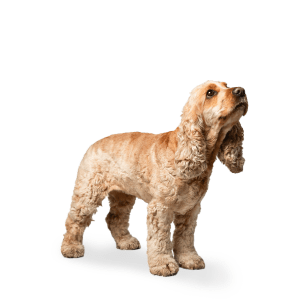
Any dog could suffer from blocked anal glands, especially if they are obese or regularly pass soft faeces. But smaller breeds run into problems more frequently. Example include –
Some owners are not familiar with the signs, or they mistake it for another issue like parasites. It’s important to know what to look out for so that you can seek help.
If your dog’s anal glands are full or blocked, they may show one or more of the following symptoms -
Call your veterinary team for an appointment if you suspect your dog may have blocked or full anal glands.
 Looking for digestive care for your pet?
Enter their details to find the best digestive care product for your pet
Looking for digestive care for your pet?
Enter their details to find the best digestive care product for your pet
If your dog is showing signs of discomfort, then they may need to have their anal glands manually expressed. On average, most pets with ongoing anal gland issues need them emptied once every 2 to 3 months, but there is a lot of individual variation. Some pets might only need intervention once every 6 – 12 months; others may need monthly attention.
It’s best to ask your vet or veterinary nurse for advice, as well as watching your dog for signs of discomfort at home.
Never express your dog’s anal glands yourself unless your vet has given you instructions, and you feel confident to carry this out. Squeezing the glands incorrectly could cause your dog pain and lead to serious problems.
The anus is a sensitive area, so your dog may feel a little pressure while their anal glands are emptied. The vet will apply lubricant and gently massage out the contents of the glands. This discomfort is short-lived, and your pet will feel much happier once the pressure of their overfull glands has been relieved.
Yes, having full anal glands can be uncomfortable. Most dogs feel much better after having their glands expressed. Any behaviour associated with their full anal glands will settle down soon after they’ve been emptied. However, if your pet has an anal gland infection, then things may take a little longer, and they could also require medication to help them feel better.
You should only have your pet’s anal glands expressed if they are showing symptoms or if they have an ongoing issue. Expressing your pet’s anal glands unnecessarily or too frequently can cause irritation and affect natural emptying. Ask your vet for their advice if you are not sure.
The cost will vary between vet practices and may also depend on whether a vet or a vet nurse is expressing your pet’s anal glands. It’s best to give your practice a call to find out more.
Blocked anal glands are not only uncomfortable, but they can become infected. The stagnant fluid is the perfect environment for bacteria to reproduce. This can lead to an anal gland infection, or in severe cases, an abscess can form. If this occurs, pus will build up in the anal gland, causing severe pain and inflammation. If left untreated, the abscess can rupture and bleed.
Anal gland infections and abscesses require medication, such as pain relief and antibiotics. In some cases, surgery is indicated to flush out the infected material.
Blocked anal glands are usually straightforward and easy to treat. Your vet will examine your dog’s bottom and gently empty the glands. However, sometimes other issues are found. These could include –
The recommended treatment for your dog will depend on your vet’s findings.
If your dog is prone to blocked anal glands, then your vet may suggest –
A fibre supplement can be helpful for many dogs. This will help create bigger, bulkier stools, which is ideal for emptying the anal glands naturally. A good supplement will also contain prebiotics and probiotics which can further help to improve your pet’s digestion and stool consistency. Your vet may suggest a different diet if they suspect other issues are involved, including food allergies or inflammatory bowel disease (IBD).
If your dog is showing signs of rear-end discomfort, then a trip to the vets is always recommended. Blocked anal glands require gentle manual expression, but it’s also important to rule out other issues like abscess or infection. Some dogs will go their whole life without needing their glands emptied for them, whereas it can be a frequent event for others. Your vet will advise you further on the best plan of action for your dog.

Important health information: The content of this blog is for information purposes only and isn't a substitute for professional veterinary advice. If you're worried about your pet's health, please contact your vet.
Previous article
Common anal gland issues in dogsUpcoming article
My dog has diarrhoea, what should I do?
What can go wrong with your dog’s liver, what signs should you look out for, and how is liver disease treated?

Why do dogs fart, what can cause excessive gas, and what can you do to help?

In this blog, we’re diving into the question: what is mange? We’ll take a closer look at this irritating skin issue, including the different types of mange in dogs, mange treatment for dogs and tips to help reduce the risk of future infections. Let’s get started!

Join our email list for special offers and the latest news. PLUS get 50% off your first 2 months** when you Subscribe & Save.
We'll be in touch!
You're now signed up to receive tips, updates, and offers to help keep your pet happy and healthy.

Enter your email for us to save your basket and receive all our special offers
Close the box to stay on the page

